Gold Spikes to $4,398 as Strait of Hormuz Shutdown Sparks Fear
Gold pushes toward $4,400 as Middle East tensions escalate with the continued closure of the Strait of Hormuz.
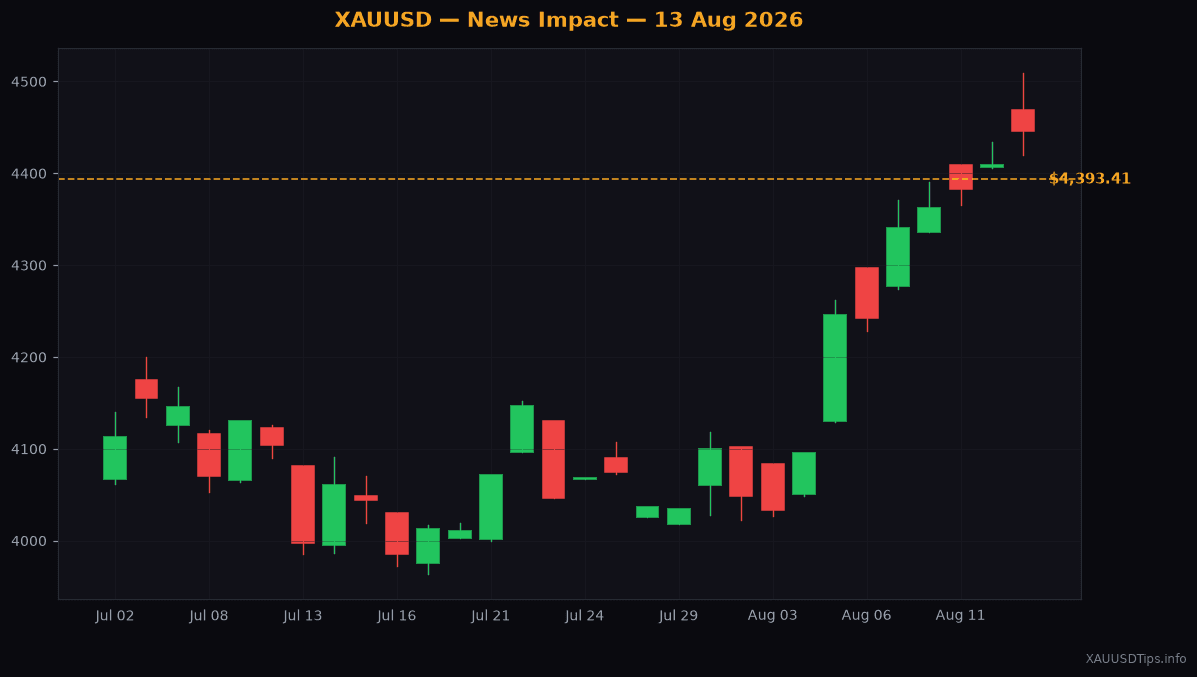
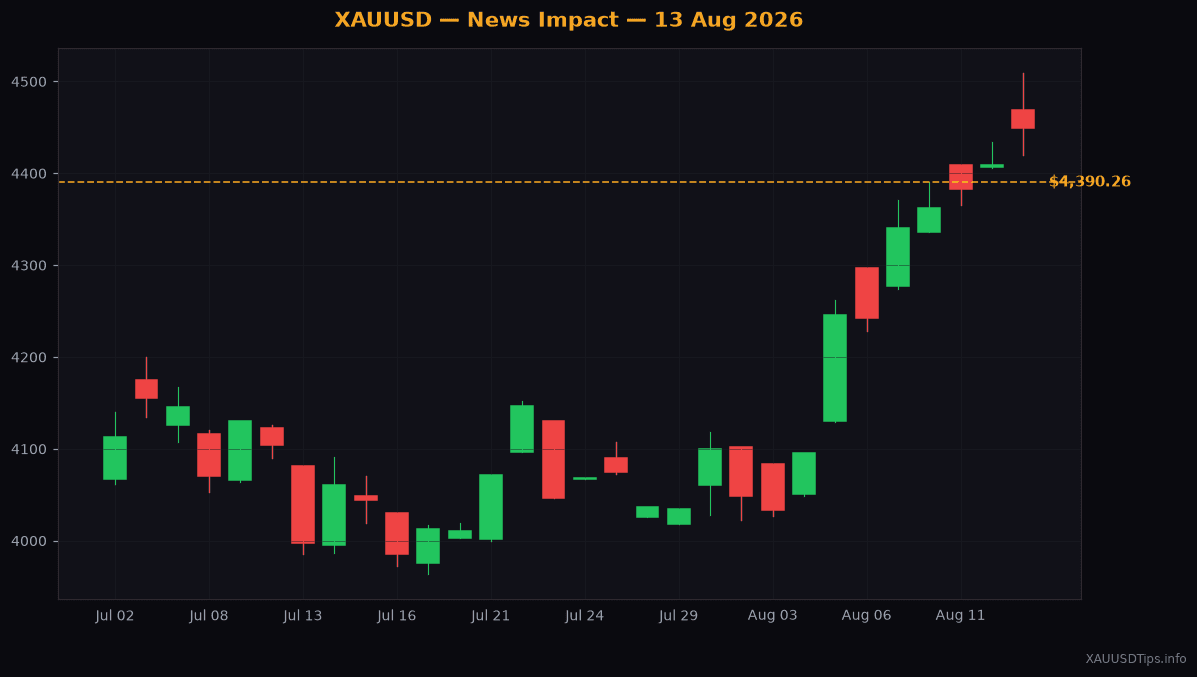
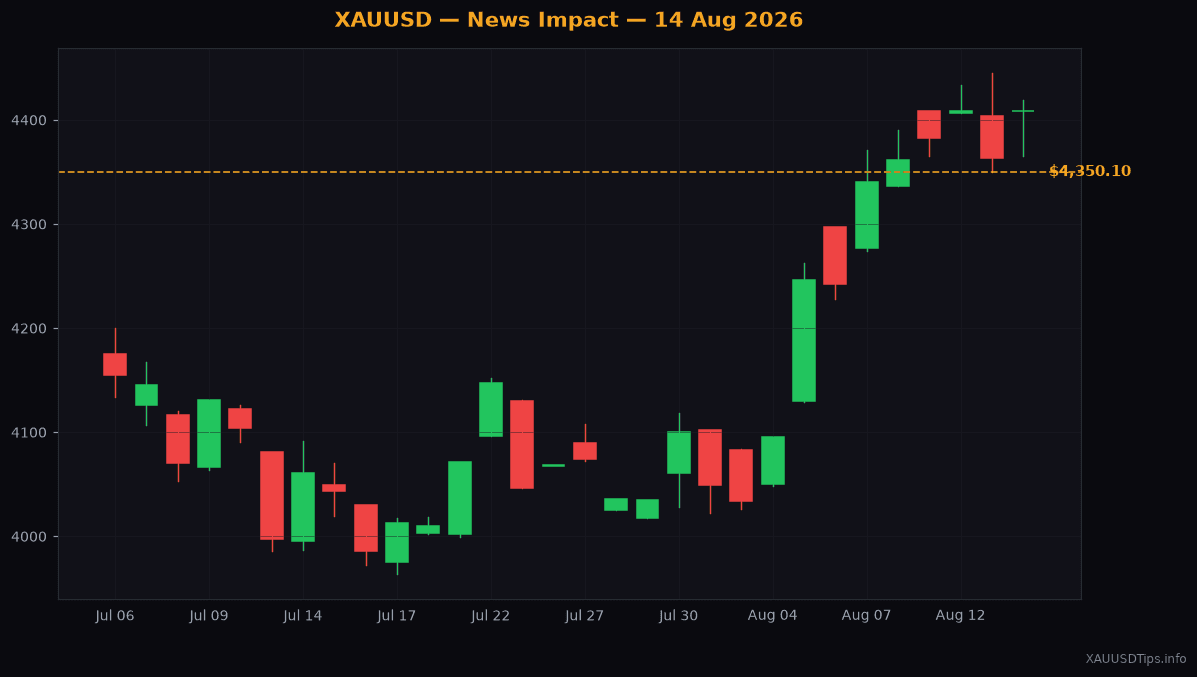
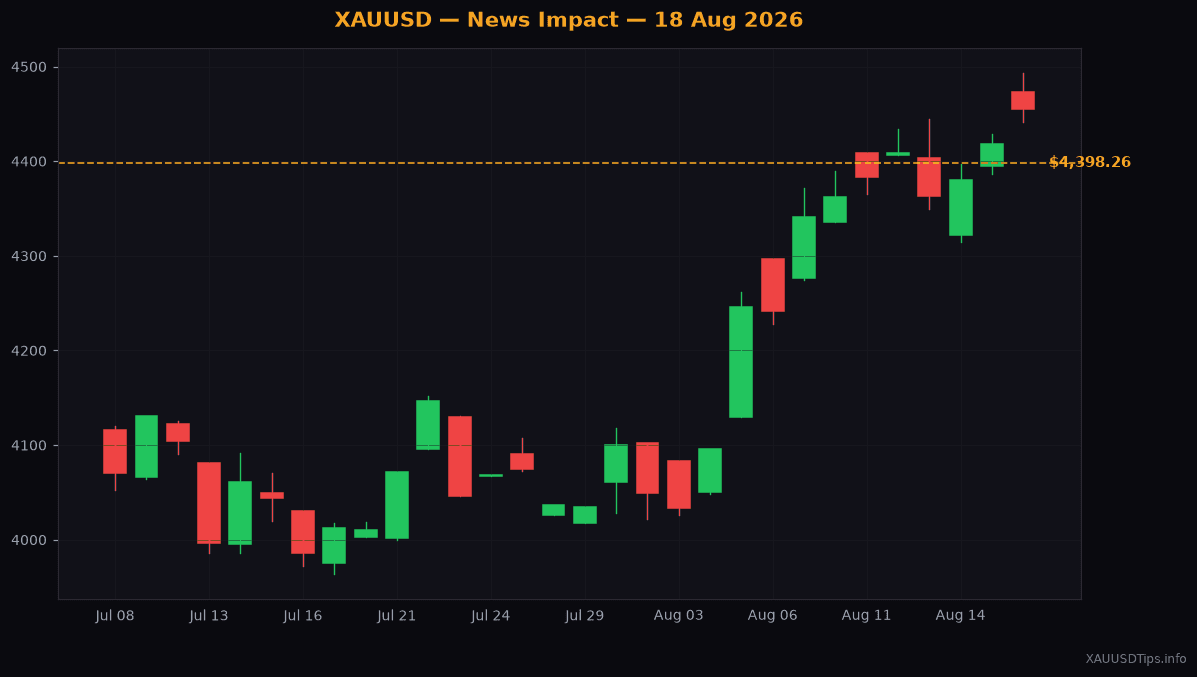
Today is a wild day to be watching the charts. Right now, gold is trading at $4398.26, up a massive $37.00 since yesterday. We are literally pennies away from crossing that psychological $4,400 milestone. If you have been keeping an eye on the news, you probably noticed that the global markets are in a state of high anxiety. The biggest driver behind this massive jump is coming straight from the Middle East, and it is something every trader needs to understand.
What Happened
Iran announced today that the Strait of Hormuz will remain shut until the United States meets its interim deal conditions. If you are new to global trade, the Strait of Hormuz is a narrow waterway where a huge chunk of the world's oil is shipped every single day. A freeze here means oil supplies get choked. Because of this, oil prices have quickly jumped to a near three-week high, and European gas prices are on a five-day winning streak.
To make matters more tense, there are reports that Russia has updated its nuclear doctrine, which is sending a wave of fear through global stock markets. When news like this breaks, investors get scared. They start selling off their stocks and moving their money into safe-haven assets (assets that are historically proven to hold their value when the world gets chaotic, like gold).
Why Gold Cares
Why does a shipping lane shutdown in the Middle East make our gold charts light up green? It comes down to two major forces: inflation and fear. When a critical oil route is closed, oil prices shoot up. Since oil powers the trucks, ships, and factories that make and move everything we buy, expensive oil leads to high inflation (the rising cost of everyday goods and services). Gold is widely loved because it acts as a shield against inflation. When paper money loses purchasing power, hard assets like gold shine.
The second force is pure panic. Usually, when US Treasury yields (the interest rate the US government pays to investors who buy its debt) go up, gold prices fall. This happens because gold does not pay any interest, so rising yields make government bonds look more attractive. Today, however, those yields are rising, but gold is going up anyway. The fear of a wider conflict and energy shortages is so strong that it is completely overriding the usual pressure from high bond yields.
What This Means for You
If you are trading right now, you need to buckle up. Volatility (the speed and size of price swings) is going to stay very high over the next few days. This is not the time to take massive, risky trades or guess where the exact top is. If you are a physical buyer in places like India, Pakistan, or the UAE, you should expect local jewellery shop rates to reflect this sudden spike very soon.
Keep a close eye on the $4,400 resistance level (a price ceiling where selling pressure usually increases). If gold can break and stay above $4,400, it could trigger even more buying. But if the geopolitical tension cools down even a little bit, we could see a quick pullback as traders take their profits.
Bottom Line
When major global trade routes close and war fears rise, investors ditch risky stocks and run to gold for safety.
Written by XAUUSDTips Team. Not financial advice. Trade at your own risk. Technical levels partially referenced from LiteFinance analysts.
XAUUSDTips Editorial
Published August 18, 2026